
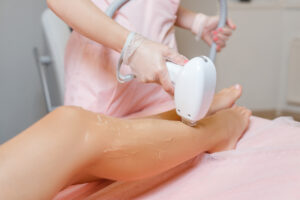
Treating skin after laser hair removal burns can feel stressful fast.
What starts as redness or tenderness can turn into stinging, darkening, crusting, or a raw, irritated patch that makes you wonder whether it is healing normally or getting worse.
The good news is that many mild laser hair removal burns do improve with the right aftercare.
The bad news is that a lot of people accidentally slow healing by using the wrong products, scrubbing the area, picking at it, or throwing too many actives at already-injured skin.
If your skin feels burned after laser hair removal, the goal is not to do more.
It is to calm inflammation, protect the barrier, reduce friction, and avoid anything that adds more heat or irritation.
Once you understand what the skin actually needs, recovery usually becomes much more straightforward.
Why Skin Can Burn After Laser Hair Removal
Laser hair removal works by targeting pigment in the hair follicle with heat.
When everything goes smoothly, the heat is focused where it should be.
But sometimes the skin around the follicle gets overheated too, especially if the settings are too aggressive, the skin is sensitive, there was recent sun exposure, or the area reacts badly.
That can lead to:
- Redness that lasts longer than expected
- swelling
- stinging or burning
- tenderness
- dry or rough patches
- scabbing or crusting
- darker marks after the burn starts healing
Treating skin after laser hair removal burns starts with recognizing that irritated skin is not the same as normal post-treatment warmth.
Mild redness for a short time can be expected after laser hair removal.
A true burn usually feels more intense, lasts longer, and needs a gentler recovery approach.
The First Priority: Cool, Calm, and Protect the Skin
The biggest mistake people make is trying to actively treat the area too aggressively right away.
Burned skin is already stressed.
It does not need exfoliation, fragrance, retinol, acids, or experimental skincare.
It needs basic support.
The most helpful early priorities are:
- cooling the area gently
- keeping it clean
- reducing friction
- avoiding heat
- using bland, barrier-supportive products
- leaving the skin alone as much as possible
This is one of those situations where simple is usually smarter.
What Treating Skin After Laser Hair Removal Burns Should Look Like
Cool the Area Gently
A cool compress can help calm heat and discomfort, especially in the early stage.
Keep it cool, not ice-cold.
You do not want to shock or irritate the skin further.
Reusable options like gel ice packs for injuries can be useful if you wrap them in a soft cloth instead of placing them directly on the skin.
Keep the Area Clean, but Do Not Scrub
Wash gently with lukewarm or cool water and a very mild cleanser if needed.
Pat dry.
Do not rub.
A simple cleanser such as La Roche-Posay Toleriane Hydrating Gentle Cleanser makes more sense here than anything foaming, exfoliating, or perfumed.
Use a Simple Soothing Moisturizer or Healing Cream
The best products here are usually boring.
Fragrance-free, gentle, barrier-friendly creams tend to make the most sense.
The skin is injured, so this is not the time for exciting skincare.
A classic option people often reach for is Aquaphor Healing Ointment, though some people prefer lighter creams if the area already feels very hot.
Avoid Anything Active
No retinoids, acids, scrubs, vitamin C, strong acne treatments, or perfumed lotions on the irritated area while it is healing.
Protect the Skin From the Sun and Heat
Freshly irritated skin is much more vulnerable.
Sun exposure can make discoloration and irritation worse.
Once the skin can tolerate sunscreen again, a gentle mineral option like Blue Lizard Sensitive Mineral Sunscreen is often a safer-feeling choice than a heavily fragranced sunscreen.
What Usually Helps the Most
When treating skin after laser hair removal burns, the best products are usually the ones focused on barrier support and comfort.
Panthenol
Panthenol is one of the most useful ingredients for this situation because it helps support the skin barrier and tends to feel soothing on irritated skin.
If you want a product built around that idea, Bepanthen cream is one of the first things many people look for.
Allantoin
Allantoin is often included in gentle creams meant for stressed or irritated skin.
It is usually a good fit when the area feels dry, rough, or reactive.
Simple Occlusive Support When Needed
In some cases, a basic protective ointment can help reduce moisture loss, but thick occlusive products may feel too heavy for some areas, especially if there is heat trapped in the skin.
Texture matters.
Fragrance-Free Moisturizers
Simple, non-irritating moisturizers are often more helpful than specialty products with long ingredient lists.
CeraVe Moisturizing Cream is the kind of plain, barrier-supportive option that often fits well here.
What to Use vs What to Avoid After a Laser Hair Removal Burn
| Category | Better Choice | What to Avoid |
|---|---|---|
| Cleansing | Lukewarm water, very gentle cleanser | Scrubs, exfoliating cleansers, hot water |
| Moisture | Fragrance-free healing cream, panthenol-based cream | Retinol creams, acids, strong acne products |
| Soothing | Cool compress, bland barrier-support cream | Ice directly on skin, menthol-heavy products |
| Sun protection | Shade, protective clothing, gentle sunscreen once skin tolerates it | Direct sun exposure on freshly irritated skin |
| Daily care | Pat dry, loose clothing, minimal product | Rubbing, picking, shaving too soon, heavy friction |
One of the Biggest Mistakes: Treating It Like a Regular Rash
A lot of people see redness or darkening and immediately start applying random skincare aimed at acne, pigmentation, or texture.
That often backfires.
Burned skin is not asking for a brightening routine.
It is asking for recovery.
That means you should be careful with:
- exfoliating acids
- retinoids
- harsh cleansers
- benzoyl peroxide
- essential oils
- fragranced creams
- physical exfoliation
- aggressive spot treatments
If the skin barrier is damaged, almost anything active can sting and worsen the situation.
What About Dark Marks After the Burn?
This is one of the most frustrating parts.
Even after the burn starts healing, you may be left with post-inflammatory discoloration.
That does not necessarily mean the skin is still actively injured.
It may just mean the skin is healing in stages.
The key is not to rush into fading products too early.
If the skin is still tender, flaky, raw, or easily irritated, focus on barrier repair first.
Trying to force faster fading while the skin is still healing often makes things take longer.
Once the skin is fully closed, calm, and no longer irritated, that is the stage when a more targeted discoloration routine may eventually make sense.
Not before.
What Skin Feels Like When It Is Healing Normally
Healing skin after a laser hair removal burn may go through a few stages:
- hot and red at first
- tender or stingy for a while
- dry, tight, or rough
- possibly lightly crusted or flaky
- then gradually calmer, smoother, and less reactive
Mild itching can also happen during healing.
That does not automatically mean something is wrong.
But intense worsening pain, spreading redness, pus, or severe swelling are different and should not be brushed off.
Treating Skin After Laser Hair Removal Burns on the Face
Facial burns can be especially annoying because the skin is more visible and often more reactive.
On the face, it is even more important to avoid overdoing skincare.
Many people make the mistake of layering moisturizers, actives, and healing products all at once.
A better approach is:
- cleanse very gently
- Use one soothing cream
- Avoid makeup if it irritates the area
- skip exfoliation entirely
- avoid heat, steam, and hot showers
- Keep the skin protected from the sun
Facial skin often heals best when the routine is stripped down to the basics.
Treating Skin After Laser Hair Removal Burns on the Body
Body skin can usually tolerate slightly thicker barrier creams, but friction becomes a bigger issue.
Tight clothing, waistbands, sports bras, shaving, workouts, and sweat can all make healing slower and more uncomfortable.
If the burn is on the body, try to reduce:
- rubbing from clothing
- heavy sweating
- hot baths
- long hot showers
- shaving over the area until it calms down
Soft, low-friction basics like loose cotton undershirts or loose cotton sleepwear can actually help more than people expect if the irritated area keeps getting rubbed.
What Can Make Healing Slower?
A few habits tend to drag this out:
- Picking or peeling skin
- Even if the area starts flaking or scabbing, leave it alone. Pulling at healing skin raises the chance of marks and irritation.
- Using too many products
- More products do not equal faster healing. They often just mean more irritation.
- Going back into heat too soon
- Hot showers, steam, saunas, sweaty workouts, and sun can all make inflamed skin angrier.
- Ignoring friction
Sometimes the product is fine, but the constant rubbing is the real reason the area is not improving.
A Simple Routine for Healing Burned Skin After Laser Hair Removal
Morning
- Rinse gently or cleanse very lightly if needed.
- Pat dry.
- Apply a bland soothing cream.
- Protect the area from the sun and friction.
Evening
- Cleanse gently.
- Pat dry.
- Reapply a simple barrier-support cream.
- Leave the area alone.
That is often enough.
This is not the moment for a complicated routine.
When to Be More Concerned
While many mild cases improve with careful aftercare, some symptoms deserve medical attention, especially if they are getting worse instead of better.
Be more cautious if you have:
- blistering
- severe swelling
- pus
- spreading redness
- increasing pain
- fever
- significant yellow crusting
- a wound that is not closing
- strong worsening discoloration with ongoing tenderness
Those signs suggest the skin may need more than standard at-home soothing care.
What Results Can You Realistically Expect?
Healing is often slower than people want.
Even when the burn itself settles, discoloration can linger.
The first real win is usually reduced pain, less redness, less heat, and skin that feels less reactive.
After that, texture and color often take longer to normalize.
So when treating skin after laser hair removal burns, progress may look like:
- less stinging
- less heat
- less tightness
- smoother surface
- fewer signs of active irritation
- gradual fading of leftover marks
That is still real progress, even if the skin is not fully back to normal yet.
Why Simpler Aftercare Usually Works Better
One of the hardest things about a laser burn is the urge to fix it quickly.
But skin usually heals best when it is supported, not constantly interfered with.
Treating skin after laser hair removal burns is mostly about removing obstacles to healing: heat, friction, irritation, and over-treatment.
In other words, faster healing often comes from doing less, but doing the right less.
Gentle cleansing, a simple soothing cream, sun protection, and patience will usually do more than a crowded shelf of products.
Frequently Asked Questions
What helps skin heal after a laser hair removal burn?
The most helpful approach is usually gentle cooling, simple cleansing, a bland barrier-supportive moisturizer, less friction, and avoiding heat and active skincare.
Should I moisturize burned skin after laser hair removal?
Yes, usually with a simple fragrance-free soothing cream or barrier-support product, as long as it does not sting badly or overload the skin.
How do I know if it is healing or getting worse?
Improvement usually looks like less pain, less redness, less heat, and calmer skin over time.
Worsening pain, pus, spreading redness, or severe swelling are more concerning signs.
Can sun make laser burn marks worse?
Yes.
Sun exposure can make irritation and discoloration more noticeable and harder to fade, so protection matters a lot while the area heals.
Can I use acids or retinol to fade marks after a laser burn?
Not while the skin is still irritated, raw, flaky, or tender.
Focus on healing first.
Trying to fade marks too early can make things worse.
Is peeling normal after a laser hair removal burn?
Some dryness, flaking, or light crusting can happen as the skin heals.
Picking at it is one of the worst things you can do.